By Jordan Chester
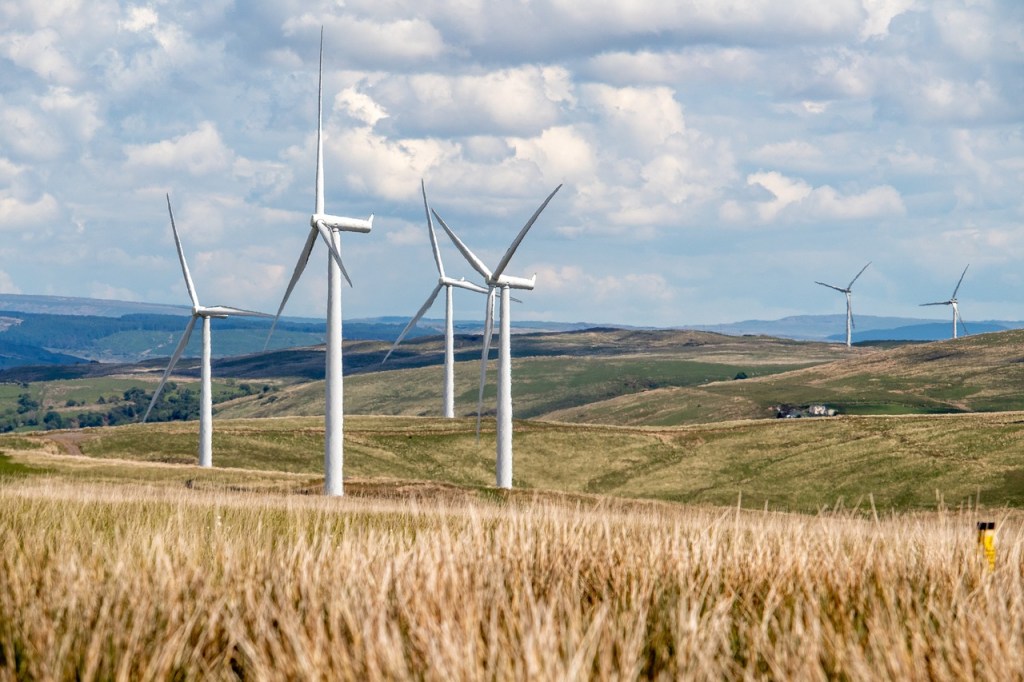
At community meetings and on social media, people are expressing their opposition to wind energy projects – particularly in beach communities where there is concern with the aesthetics of such structures. Yet, 70% of Americans support the use of wind energy. A recent article published by Reporter Wayne Parry in the Associated Press detailed how litigation filed by citizen groups formed in opposition to wind farm developments is delaying construction.
With 30% of human-created emissions originating from electricity, moving away from dirty energy sources like coal and oil is essential. While wind (and solar) can’t generate 100% of the electricity we need as of 2024, they can make a contribution to the overall energy mix. Over the past decade, the government and private entities in the United States have invested significant money in supporting the wider adaptation of wind energy. Like other green sources, the price of wind energy has fallen in recent years. Across the pond, the first offshore wind farm became operational in the early 1990s – over two decades before a similar project was completed in the United States.
As you can see by looking at the U.S. Wind Turbine Database, there are wind farms inland, along coasts, and offshore across the country. While both onshore and offshore turbines are viable sources of clean energy – meaning they generate power when weather conditions allow for it – a major trade off between the two is that onshore wind farms cost less to build but aren’t quite as efficient as those at sea due to wind speeds being higher offshore. Additionally, many wind farms on land are located away from major population centers, or at the very least, they don’t obstruct views to the extent turbines along the coast do.
Consider the Alta Wind Energy Center in Mojave, California. This facility serves electricity consumers in southern California and has helped save over five million metric tons of carbon since it became operational seven years ago. As you can see in the image below, the center is located in the desert. This is the perfect place for a wind farm from the perspective of being unobtrusive.

Alta Wind Energy Center, Mojave, CA (Street View). Google Maps. 2024-09-21 https://www.google.com/maps
Critics of wind energy projects often argue that they’ll diminish an area’s economy by disrupting natural resources – whether it be shorelines that attract tourists or crops grown in the same proximity as turbines. Some have also made the case that turbines disrupt natural habitats, such as whales and birds. In fact, opponents of wind have made the case that offshore farms have resulted in an increase in observable whale deaths. Whether or not wind farms are aesthetically pleasing or not is subjective, but the rest of these arguments aren’t so definitive.
The economic impact of wind farms can vary from community to community, and even project to project. Researchers at the University of Delaware studied this by showing survey participants photographs of wind farms at varying distances offshore to get an idea as to how local tourism can be affected by the presence of turbines. Here is what the researchers, Professors George R. Parsons and Jeremy Firestone, concluded:
The analysis strongly suggests that offshore wind power projects are likely to affect visitation on East Coast ocean beaches, with some trip loss due to negative effect and some trip gain due to positive effect. There is also indication that any beach introducing a wind power project will have sizable visitation associated with special trips to see the turbines (curiosity trips). The economic loss or gain (in terms of consumer surplus) associated with the change in visitation varies across beaches depends on the current number of visitors, location (state), distance the project would be located offshore, whether the beach is developed, and other factors.
At the BOEM-relevant distances for small- and medium-sized beaches (in terms of visitation), the results suggest there will be small losses or net gains. The dis-amenity effect of wind power projects drops off considerably for distant projects, but the amenity effect, does not. This coupled with curiosity trips (which were not valued here) suggests net positive effects for many beaches. At larger beaches, the amenity effect is less likely to overcome the dis-amenity effect and some net loss is expected. Trip loss is proportional to the number of visitors at a given beach (larger for beaches with high visitation and smaller for beaches with low visitation), but trip gains and curiosity trips depend less on the visitation at the beach where the wind project is located. So, larger and smaller beaches have similar gains. The net effect is that medium and smaller beaches can have positive economic outcomes.
Research has also found that wind farms have a net positive impact on nearby crops and are an advantage to the agricultural sector since ranchers and farmers can lease land to owners of wind farms.
Much about the impact of offshore wind farms on marine life remains unknown, but there is no definitive evidence to suggest that offshore wind farms are leading to more whale deaths. These tragic deaths are the result of climate change. As the oceans warm, the moving patterns of marine life change. Whales have been following potential prey into shipping lanes, resulting in collisions with boats.
The American Audubon Society, which supports wind energy and has argued that wind developers should work with wildlife professionals to reduce the risk of birds colliding with turbines, stated that:
“While wind energy helps birds on a global scale by curbing climate change, wind power facilities can harm birds through direct collisions with turbines and other structures, including power lines. Wind power facilities can also degrade or destroy habitat, cause disturbance and displacement, and disrupt important ecological links. Placing wind projects where birds are known to ascend or descend during migration may put them at more risk. An estimated 140,000 to 679,000 bird deaths occur per year due to turbine collisions, which is substantial, but significantly less than deaths caused by outdoor cats and building collisions.”
There are legitimate concerns surrounding wind energy projects, but virtually all of these concerns can be addressed through proper planning, collaboration between stakeholders, and understanding the unique needs of communities that are prime candidates for such projects. The financial costs and risks associated with wind farms pale in comparison to those linked to fossil fuels.
 Observations and Perspectives