By Jordan Chester
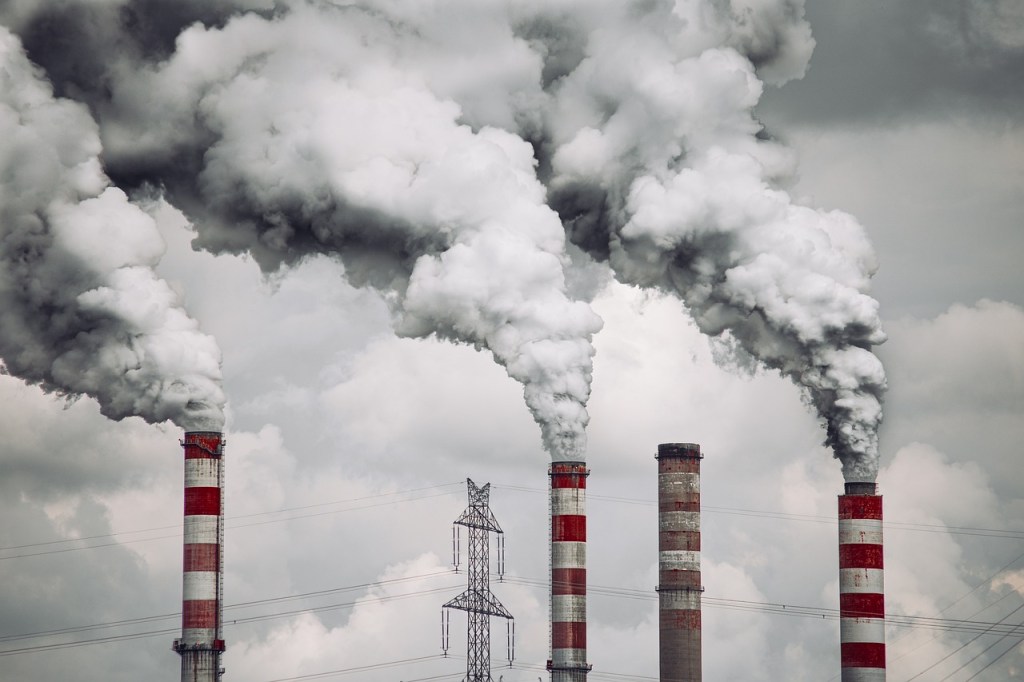
Climate change is an existential threat to all of humanity. Since the Industrial Revolution, carbon emissions in our atmosphere have increased by 50%. This has caused rising sea levels, higher global temperatures, a sizable increase in extreme weather events, an overtaxed electrical grid, declining crop yields, and heat waves that wreak havoc on human and animal health as well as economic productivity. Communities of color and those on fixed incomes are disproportionately impacted.
Addressing the climate crisis will require bold action. Strategies include utilizing clean and efficient energy sources, weatherproofing homes and commercial buildings, and addressing deforestation by planting more trees and cover crops. Governments must be more aggressive in forcing polluters to clean up toxic sites and compensate victims, and in supporting conservation efforts.
Despite reported partisan divisions in our country today, 70% of Americans agree that we must act to address the impacts of climate change, though there is disagreement as to how we do so. The scientific community, environmental advocacy groups, influencers, and local elected officials have done extraordinary work educating the public; they have explained the urgent need to act and have proposed solutions.
Due to these efforts, we’ve made some progress in addressing climate change. Last year, American consumers purchased more electric vehicles than ever before, homebuyers are opting for smaller homes that consume less energy, and residential solar capacity has increased considerably. States and localities have moved their vehicle fleets away from combustion-vehicle engines and worked to require utility providers to utilize more alternatives to reach carbon neutrality.
Additionally, businesses have pledged to reduce their emissions (though many large corporations have yet to fulfill those commitments). Federal regulations have resulted in more fuel-efficient cars and energy-efficient appliances.
Despite progress, the United States (as well as the international community) is falling behind in confronting climate change before it’s irreversible. There are a myriad of reasons: we’ve become dependent on fossil fuels to power our lifestyles; green alternatives often require larger financial investments; some industries are built on fossil fuels, and there is disagreement amongst policymakers about how to best protect the environment.
The question for environmental organizations and other stakeholders who want to address climate change is, what is the best way to articulate the degree of the problem and grow support for doing what’s needed to address this existential problem?
At a moment when political polarization has erected barriers between stakeholders that sometimes seem impossible to break through, it’s important to meet people where they are. Tailoring communications to individuals and entities in a way that encourages psychological ownership of addressing climate change is one strategy that can motivate the disengaged and disenfranchised to join the fight to go green.
While addressing climate change requires governments and other large institutions to address the problem, it’s important to remind the public that they have a role to play. Individuals need to know that going green is critical to their health and the welfare of their family and the entire planet, and this will motivate them to better protect their homes and communities.
To this end, sharing the benefits (and tax incentives) of going green at home personalizes the cause. According to the American Lung Association, burning natural gas, propane, and other fuels used in residences has negative health effects, including asthma attacks, heart attacks, stroke, and reduced lung function in children. The association recommends replacing gas stoves with electric ones and buying higher-efficiency appliances.
Discussing the economic benefits of climate change mitigation is also essential. Elected officials and others often discuss how the transition away from fossil-fuels is creating good-paying jobs, and indeed this is an important argument to make. However, informing consumers and businesses that they’ll save money by going green is more persuasive.
Convincing those whose livelihoods rely on fossil-fuel-dependent industries is a bit more challenging. Unfortunately, greenwashing, the practice of making it appear as if a company is committed to sustainability without actually taking meaningful action, is too pervasive. Making the moral case for change is crucial, but the economic argument becomes challenging when someone works in, say, the oil industry.
There are two simple points to make to these individuals. First, explain that there are positive business opportunities in the clean energy industry, where governments and companies are making substantial investments. Secondly, businesses can successfully switch industries over time. For instance, when Warren Buffett purchased Berkshire Hathaway in the 1960s, it had been a textile company for over a century. He transitioned the business into one of the most successful diversified conglomerates in the world. Another example is IBM, which started as a computer company before morphing into an IT business focusing on software and consulting.
When it comes to taking action to address climate change, the most immediate and effective efforts occur at the state and local levels, where policymakers are closest to the people and to advocacy organizations. Elected officials across the country are responding to calls for a cleaner world.
Actions include twenty-four states announcing carbon reduction goals that mandate the use of renewable energy sources, Colorado, California, Vermont, and the City of San Francisco banning the use of PFSAS (also known as forever chemicals) within the next few years, Boston enacting a tree protection ordinance, and governments across the country banning or discouraging the use of plastic bags.
Influencers, elected officials, non-profit organizations, faith-based groups, and advocacy groups all have a critical role in encouraging individual and collective action in addressing the climate crisis.
Another way the environmental movement can mobilize people is by using grassroots political organizing strategies to initiate calls to action. One way to achieve this is through recruiting volunteers to make phone calls and knock on doors in their neighborhoods. Even in the divided time we find ourselves in, neighbors across the country are generally trusting of one another and care for each other. It’s one thing to have a heated argument with an anonymous person online, it’s another to see your neighbor at the grocery market or walking down the street.
When I knocked on doors for political candidates, I would introduce myself and ask voters if they had any questions about the candidate I was working for. This builds rapport and enables a more personalized pitch. Regarding environmentalism, a great opening question might be, “How has extreme weather impacted you personally?” People might discuss their allergies, how weather episodes have harmed their business (think farmers with declining yields or ski resort towns impacted by warmer, shorter winters), or how hurricanes damaged their homes.
Identifying community leaders who can recruit other volunteers to continue spreading the message is also crucial. Leaders need to encourage people to make changes in their own lives, join environmental groups, attend city council and board of public utility meetings to advocate for green solutions, contact legislators, and share information on social media. Activism is most effective when it addresses one person at a time and one community at a time.
To find local environmental groups for you to get involved with, please visit https://www.environmentalgroups.us/.
 Observations and Perspectives